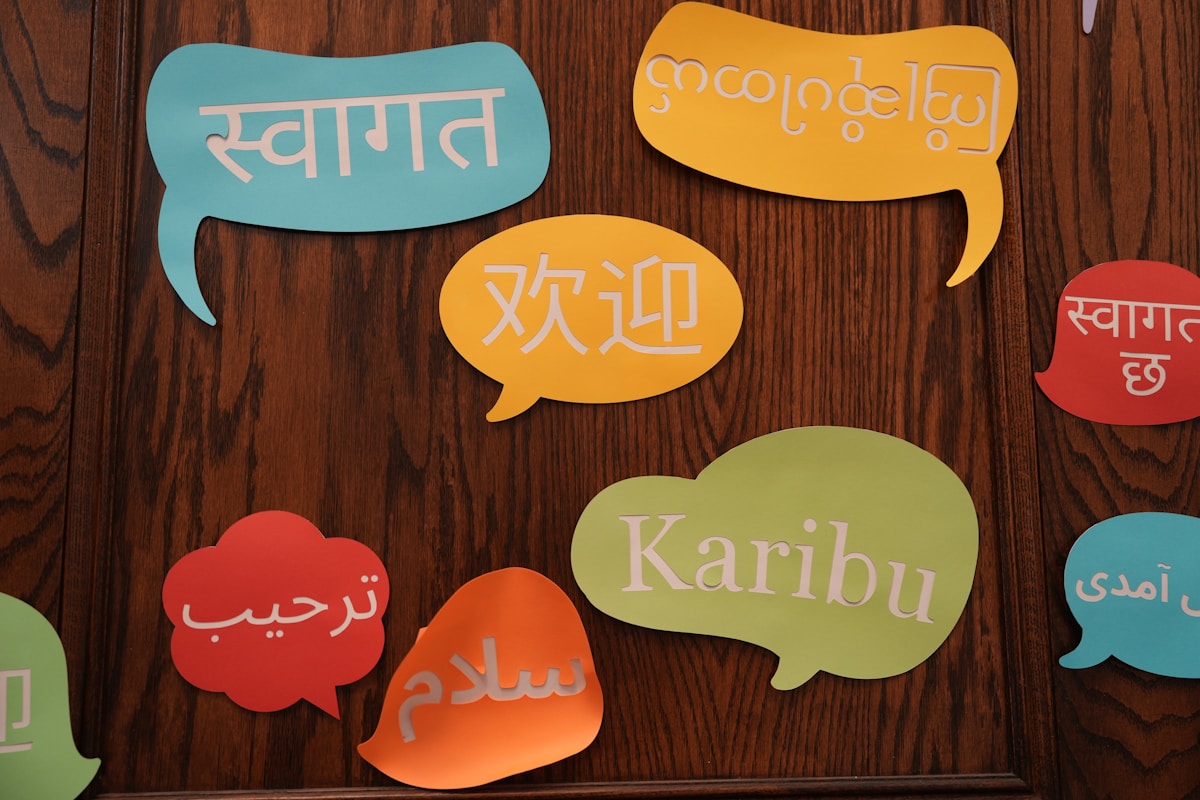
Hay un patrón muy concreto en la atención psicológica a expats que vale la pena nombrar antes de empezar: muchos pacientes británicos o alemanes llegan creyendo que su español es bueno, y a las dos sesiones se dan cuenta de que pueden pedir un café en español pero no pueden contar un trauma. En psicología, el idioma no es el canal — es el material con el que se trabaja.
Si llevas tiempo en Tenerife y necesitas atención sanitaria más allá del médico de cabecera y el dentista, este artículo es para ti. Voy a separar dos casos que la gente suele meter en el mismo saco: fisioterapia y psicología. Las dos importan, pero el peso del idioma es muy distinto.
Fisioterapia: el idioma facilita, pero el cuerpo manda
Una sesión de fisio buena se basa en escuchar al paciente describir el dolor (dónde, cuándo, qué movimiento lo dispara), explorar manualmente y aplicar una técnica. El idioma ayuda en la primera fase y al explicar los ejercicios para casa. Pero un fisio competente puede tratar a un paciente con español básico si el paciente puede señalar y mover.
Dicho esto, hay tres situaciones donde el idioma sí pesa:
- Dolor crónico — donde la historia clínica detallada (lesión inicial, intervenciones previas, qué sí y qué no ha funcionado) es la mitad del diagnóstico
- Postoperatorio — donde necesitas explicar exactamente qué te dijo el cirujano y qué movimientos te restringió
- Recuperación deportiva — donde matices como "esto tira pero no duele" frente a "esto duele y se queda" cambian el plan
En la zona sur, una clínica de fisioterapia en Costa Adeje que atienda a clientela hotelera y residente extranjero suele tener al menos un fisio que trabaje en inglés. En Los Cristianos y El Médano es habitual encontrar también fisios alemanes o que han trabajado años en Alemania. Pregunta antes de reservar.
Psicología: el idioma es la modalidad, no el medio
Aquí cambia todo. La terapia funciona poniendo palabras a lo que sientes. Si tu lengua materna es el inglés y haces terapia en español, vas a:
- Filtrar lo que dices según el vocabulario que tienes, no según lo que sientes
- Saltarte matices culturales que el terapeuta no captaría aunque los expresaras bien
- Gastar energía en traducir en vez de en sentir
- Evitar zonas profundas porque no tienes el vocabulario emocional para ellas
Esto no es una opinión. Hay literatura clínica sólida (Costa, Aragno, Pérez-Foster) sobre lo que se llama "el efecto del idioma" en terapia bilingüe. La síntesis: las personas bilingües suelen procesar emoción profunda en su lengua materna, no en la segunda. Hacer terapia en una segunda lengua es viable, pero ralentiza el proceso y deja zonas inaccesibles.
La conclusión práctica para un expat británico o alemán en Tenerife: busca terapia en tu idioma materno, aunque eso signifique hacerla por videollamada con alguien fuera de la isla. Para muchos, esa es la opción real. Pero hay psicólogos formados en español y bilingües genuinos que ejercen aquí.
Dónde encontrar profesionales bilingües reales
"Bilingüe" en una web significa cualquier cosa. Estos son los filtros que de verdad funcionan:
- Formación en el país de la lengua — un psicólogo que estudió o se especializó en UK o Alemania, no que aprendió inglés en la academia
- Colegiación adicional — algunos psicólogos están colegiados también en BPS (UK) o en su Psychotherapeutenkammer alemana
- Publicaciones o web propia en el idioma — un psicólogo que escribe artículos o tiene su web entera en inglés cuidado, no traducida, suele atender en inglés de verdad
En zonas con concentración de residente extranjero, la oferta es más grande. Una consulta de psicología en Costa Adeje orientada a expat suele declararlo claramente. Igual en el norte: una consulta en Puerto de la Cruz tiene más probabilidad de tener terapeuta germanoparlante por la histórica comunidad alemana de la zona.
Lo que el seguro privado cubre y lo que no
Sanitas, Adeslas, DKV, Cigna y similares cubren fisioterapia con receta médica (con un número limitado de sesiones por proceso) y psicología con limitaciones serias: pocas sesiones al año, copagos altos, y a menudo solo en clínicas concertadas. La psicología seria, de proceso, casi siempre acaba siendo privada pura, pagada por sesión.
El cálculo realista: si vas a hacer terapia un año, pide el precio por sesión y multiplícalo por las semanas que vas a ir. No es barato, pero tampoco es lujo si lo necesitas. La fisioterapia, en cambio, sí suele cuadrar con seguro privado si vas con prescripción.
Cómo lo hago yo
En Teide Digital construyo webs para fisios y psicólogos en Tenerife — me especializo en eso. La diferencia entre una consulta que recibe pacientes expat y una que no suele estar en la web — no en la formación, no en la calidad clínica. Si tu profesional habla bien inglés pero su web está solo en español, no aparece cuando un residente busca "English-speaking therapist Tenerife", y pierde a su paciente ideal.
Guías relacionadas: para quien busca fisioterapeuta o psicólogo en su idioma, tengo guías para pacientes en inglés y alemán: English-speaking physiotherapist in Tenerife, Physiotherapie auf Teneriffa, English-speaking psychologist in Tenerife y Deutscher Psychologe auf Teneriffa. Si tienes consulta, aquí explico cómo hago webs para fisioterapeutas y psicólogos en Tenerife.
Si tienes una consulta en la isla y atiendes en varios idiomas pero la web no lo refleja, mira los sectores para los que diseño webs o el Plan Teide Completo. Y si gestionas extras como sesiones de pago a través de plataformas con comisión alta, también te recomiendo echar un ojo a la calculadora de comisiones — el principio se aplica igual que en hostelería: la captación directa siempre paga.