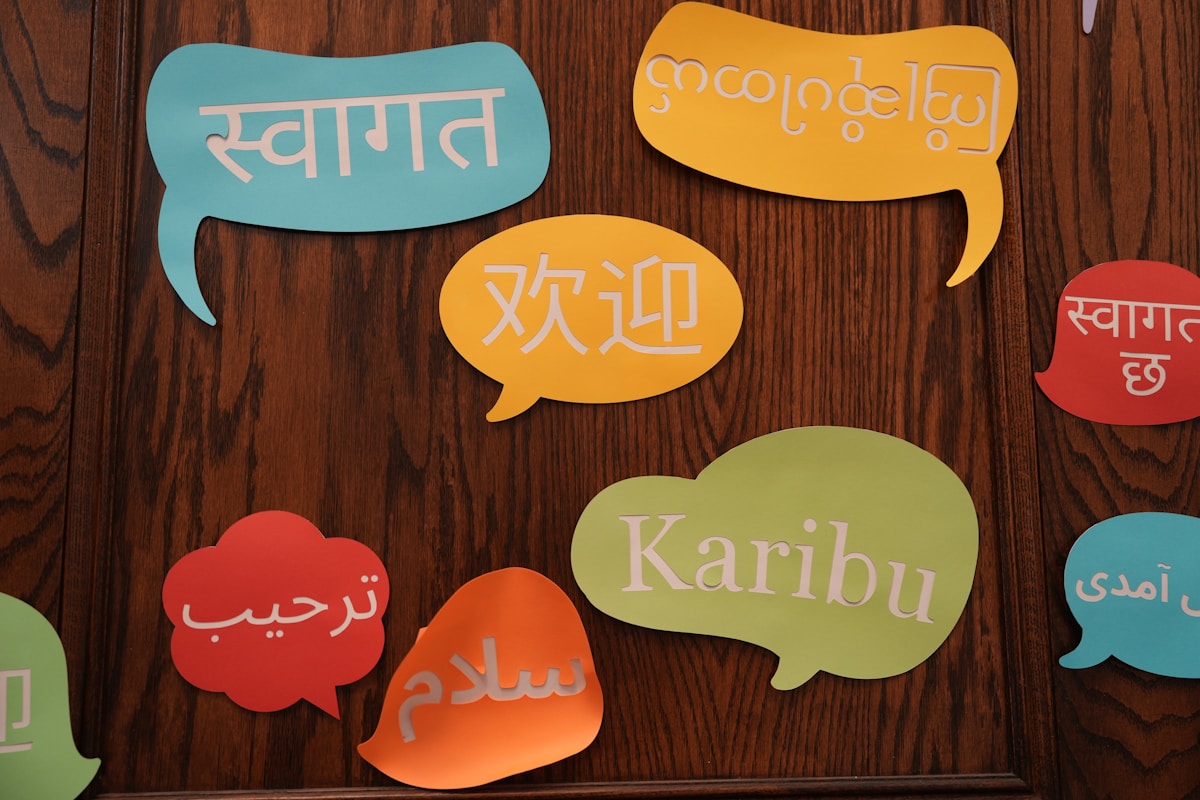
Tenerife recibe unos 6,2 millones de turistas internacionales al año (dato de 2023). Sus dos mercados principales son Reino Unido y Alemania, y en ninguno de los dos el español es la primera lengua.
Sin embargo, muchos negocios turísticos de la isla siguen teniendo la web solo en español. Es como tener una tienda con un cartel que la mayoría de la gente que pasa no puede leer.
Los números que no puedes ignorar
Lo que dicen las cifras oficiales (fuentes en la página de datos):
- Turistas británicos: ~32% del turismo internacional en Tenerife → buscan en inglés
- Turistas alemanes: ~22% → buscan en alemán
- Inglés o alemán como lengua materna: ~60% de los turistas internacionales que llegan a Canarias
Con una web solo en español, la mayoría de esos visitantes no puede leerte en su idioma. Con inglés llegas a británicos, irlandeses y buena parte de los nórdicos; con alemán, también al segundo mercado de la isla.
¿Qué tipo de negocios necesitan web multiidioma?
En la práctica, cualquier negocio en Tenerife que atienda (o quiera atender) a turistas europeos:
- Restaurantes — especialmente en zonas turísticas (Adeje, Arona, Puerto de la Cruz)
- Hoteles y apartamentos — para captar reservas directas y reducir comisiones de OTAs
- Actividades y excursiones — surf, buceo, senderismo, avistamiento de ballenas
- Inmobiliarias — el mercado de inversores extranjeros en Canarias es enorme
- Clínicas y servicios de salud — turismo dental, dermatología, bienestar
- Tiendas y comercios — artesanía, moda local, productos canarios
- Alquiler de coches y servicios de transporte
Cómo implementar correctamente una web multiidioma
No basta con pasar los textos por Google Translate. Una web multiidioma profesional requiere:
1. Traducción profesional, no automática
Las traducciones automáticas se notan. Un turista alemán que lee una traducción robótica pierde confianza inmediatamente. Invierte en traducciones que suenen naturales en cada idioma.
2. Detección automática del idioma del navegador
Tu web debería detectar el idioma preferido del visitante y mostrar automáticamente la versión correcta. Si alguien llega desde un navegador configurado en alemán, debería ver la web en alemán sin tener que buscar un selector de idioma.
3. URLs diferenciadas o parámetros de idioma
Para el SEO, es importante que Google pueda indexar cada versión del idioma. Opciones: subdominios (en.tudominio.com), subdirectorios (/en/) o parámetros. Lo que uses, asegúrate de tener etiquetas hreflang correctas.
4. Contenido adaptado, no solo traducido
El turista británico y el alemán buscan cosas diferentes. El británico quiere saber sobre la vida nocturna y las playas. El alemán quiere saber sobre senderismo y naturaleza. Adapta el énfasis de tu contenido según el público.
5. SEO en cada idioma
Cada versión lingüística necesita sus propias palabras clave optimizadas. "Restaurante Tenerife" en español, "restaurant Tenerife" en inglés, "Restaurant Teneriffa" en alemán. Las traducciones literales de keywords no siempre funcionan.
Por qué el ROI funciona en cuanto haces cuentas
El argumento del multiidioma también es de números. Si tu hotel vende sobre todo por OTAs, mete tus cifras en la calculadora de comisiones OTA y mira cuánto se va cada año. Cada reserva que un cliente británico o alemán hace en tu web, en su idioma, en vez de en Booking, es comisión que te quedas.
Tenerife: la isla perfecta para multiidioma
Tenerife tiene una ventaja única en España: una concentración masiva de residentes extranjeros y turistas que hablan múltiples idiomas. En el sur de la isla, es más probable escuchar inglés o alemán que español en muchas zonas comerciales.
Esto significa que una web multiidioma no es un lujo — es un requisito básico para competir. Y los negocios que lo hacen bien capturan una cuota desproporcionada del mercado.
Cómo lo hago en Teide Digital
Todas las webs que entrego en Teide Digital incluyen soporte multiidioma como estándar. Mi sistema detecta automáticamente el idioma del navegador del visitante y permite cambiar manualmente entre idiomas. Atiendo llamadas en español e inglés, y respondo por mensaje en alemán, polaco y neerlandés.
Porque en una isla donde tus clientes hablan 5 idiomas, tu web debería hablar al menos 2.