Booking a psychologist is nothing like booking a table. Before writing to you, the person has already taken a hard step, and what they're looking for on your site isn't a deal: it's whether they'll be able to talk to you about what's going on. If they live in Tenerife far from home, they also want to know whether they can do it in their own language.
On the blog I have a guide for patients listing the questions worth asking before booking. This post is the other side: how your website should look so those questions are already answered when someone lands on it.
Who you are and how you work, in your words
A patient decides within seconds whether to keep reading. What helps most is seeing you and understanding how you work:
- A real photo of you, in your practice or somewhere that feels like you. No stock hands clasped together.
- Your approach explained in a patient's words. "CBT", "systemic" or "EMDR" mean nothing to someone outside the field. One sentence per approach on what it means in practice beats the label.
- What you work with and who with: anxiety, grief, couples, teenagers, adults. Someone looking for help for their child needs to know in two seconds whether you see minors.
- An honest bio: your training and your path, without adjectives nobody can check.
Your registration, in plain sight
My patient guide tells people to check two things: that the professional is registered with their college and, for health psychology, that they're a Psicólogo General Sanitario or a clinical psychology specialist, the qualifications set out in Spain's Ley 33/2011. The Colegio Oficial de la Psicología in Santa Cruz de Tenerife publishes its register and a psychologist search.
Making that easy is a sign of trust: your registration number and qualification on your "About me" page and in the site footer. If you're listed in the college's search, link to it. Someone who's going to check anyway appreciates not having to dig.
Format, length and fees, without having to ask
These are the practical questions every patient has, and many won't write in just to ask them. Your site should say:
- Whether you see people in person, online or both, and where the practice is.
- How long a session lasts and what it costs, or at least how the fee works.
- How to pay and what happens if they need to cancel.
- What the first session is like: what happens in it and what they don't need to prepare.
If you work with private insurers, say so and explain how it works with you. If you don't, say that too: it saves both of you an email.
A form that asks for the minimum
Your website isn't the place to store clinical records: those live in your clinical software. The contact form only needs a name, an email and, if you want, a very short reason, sent encrypted. The less health data goes through the site, the better for the patient and for you. I draft the privacy policy with you, and it's worth having your adviser or your college review it, because health data has its own rules.
Next to the form, a WhatsApp button. For some patients, a short message is much easier than filling in fields.
Make it clear you're not an emergency service
Someone in a bad moment might land on your site on a Sunday night. One line on your contact page saying you don't handle emergencies and that, for suicidal thoughts, Spain has the 024 line, free and available 24 hours, and 112 for immediate danger, takes nothing away from your site and could be the most useful thing they read that day.
In your patient's language
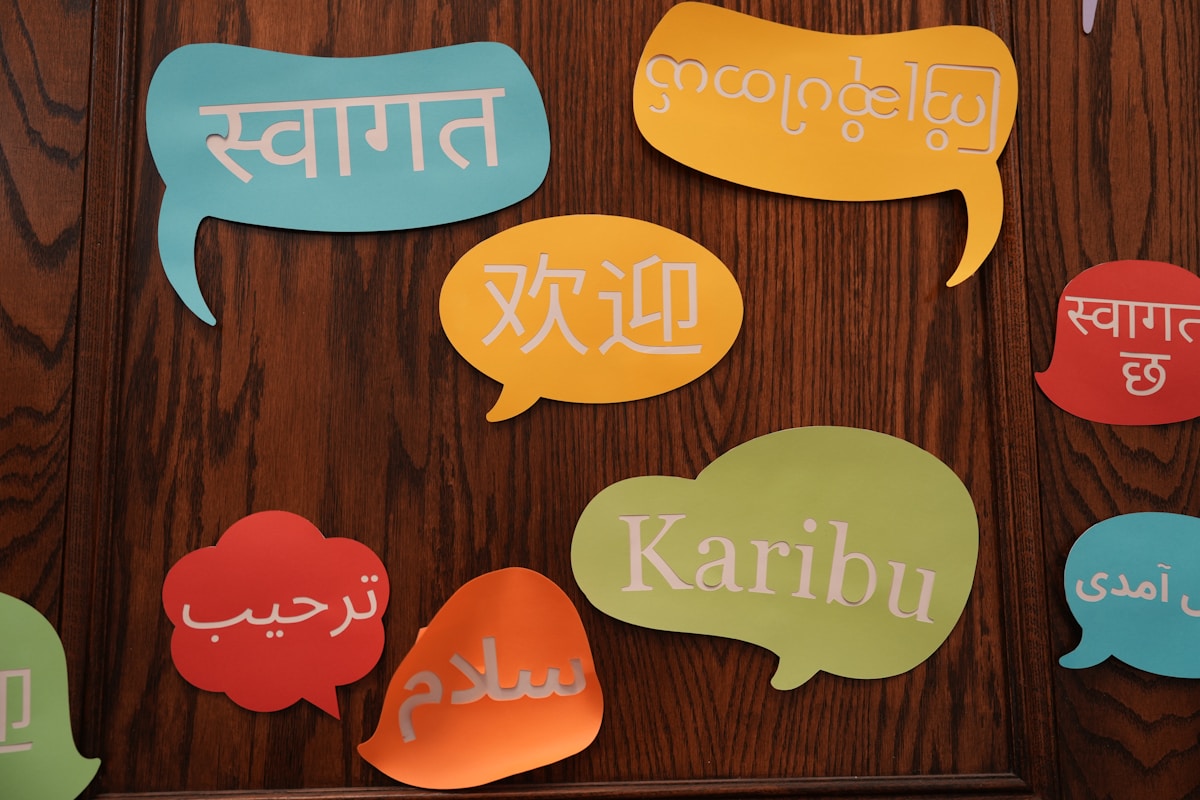
For someone living far from their support network, being able to book in their own language removes one more barrier. If you work in English or German, your site needs to be in that language, written by a person and with the care the subject deserves: machine-translated text about anxiety or grief sounds cold exactly where it matters most not to. And say clearly which languages you hold sessions in, not just which ones the site is in.
Those patients search in their language too: I have guides for them in English and German.
Your Google Business Profile
Many people search for "psychologist" in Google Maps before they use the search bar. The right category, your address or area, real opening hours, whether you offer online therapy and your languages. There's a step-by-step in my Google Business Profile guide.
Which plan fits a psychology practice?
If you work in Spanish and English and five pages are enough (home, about me, how I work, fees and contact), Plan Teide Esencial covers it, with WhatsApp and your Google profile set up. If you need German, more pages, or you'd rather I write the copy, Plan Teide Completo goes up to ten pages and three languages. Your own booking calendar for online and in-person sessions with automatic video links, or session bundles paid online, are a custom project. The site is ready 10 working days after I have your text and photos. Everything I do for the sector is on web design for psychologists in Tenerife.
Already have a site and not sure it answers all this? Ask me for a free video audit and I'll tell you what it's missing, no strings attached.